
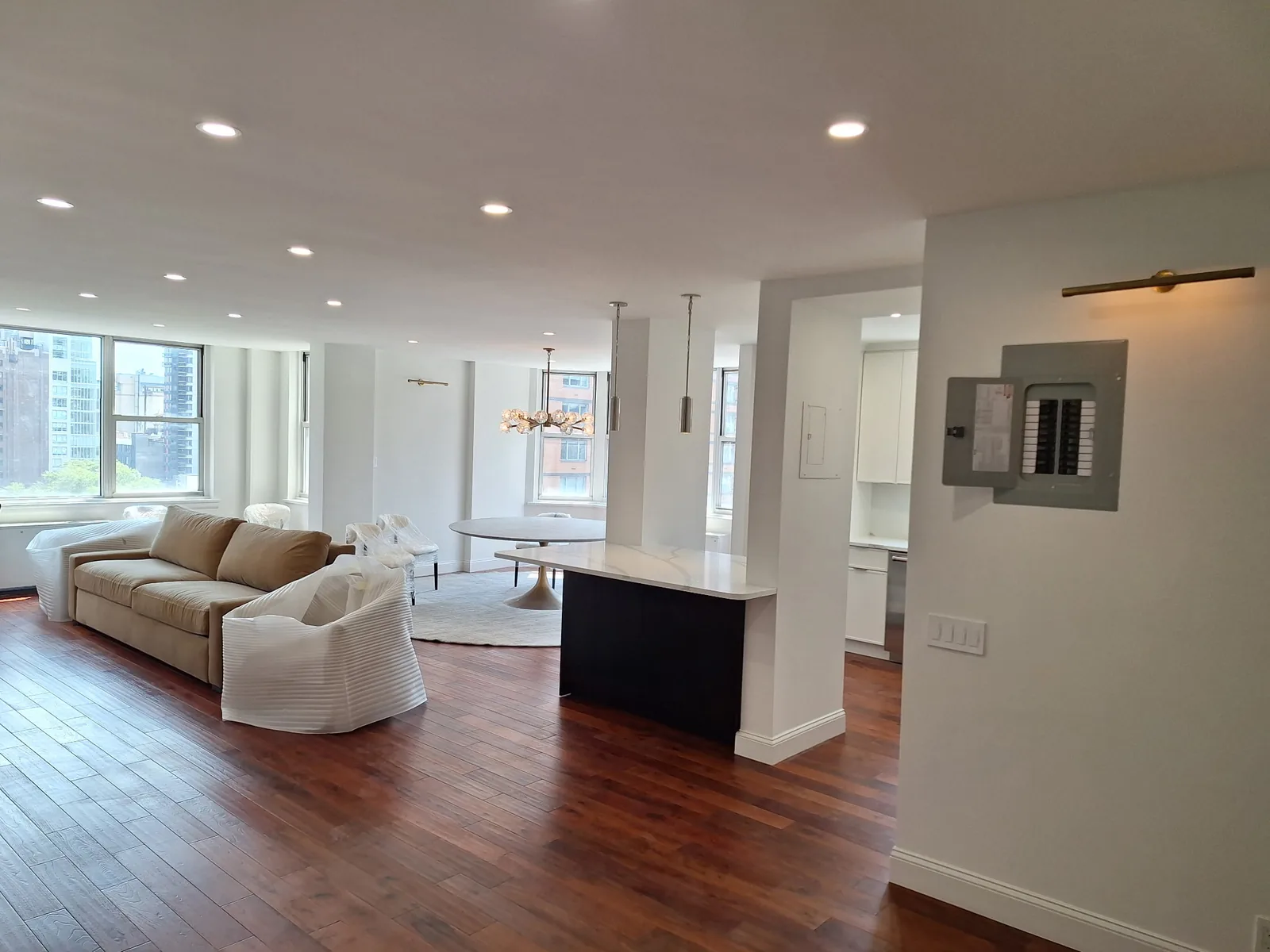
A general home inspector will tell you the kitchen faucet drips and the windows are original. What they usually will not tell you is whether the panel behind the hallway closet door is safe, whether the previous owner’s renovation was permitted, or whether the building can deliver the power you plan to use. In a New York City co-op or condo, those are the questions that turn into money after closing. This guide covers what an electrical inspection should look at when you buy an apartment, what you can spot yourself on a walkthrough, and what to ask for before you sign.
Already have an address in mind? Start with our free Building Electrical Report. It shows roughly when the building was built and the electrical permits filed for it since 2018, so you walk into the showing with questions instead of guesses.
Why a general inspection is not enough for an apartment
Most apartment inspections are visual and generalist. The inspector may open the panel cover and note the brand, but electrical work in New York City can only be done by a licensed master electrician under a DOB permit, and a diagnosis of what is behind the walls is best made by that same kind of professional. An electrician can test circuits, check grounding and GFCI protection, identify wiring types where they are exposed, and tell you what a fix would involve and whether it needs a permit. That is the difference between a note that says “panel is older” and a plain statement of what it takes to make the apartment safe for the way you plan to live in it.
Co-op or condo: who is responsible for which wiring
This decides who pays when something is wrong, so settle it before you fall in love with the kitchen. In a condo you own the unit itself, and the association owns the common elements, which usually include the main service, the meter room and the risers. In a co-op you own shares and a proprietary lease, and the lease and house rules define what is yours to maintain, typically everything from your panel inward. Details vary by building, so have your attorney confirm it against the actual lease or declaration. The practical rule is that the unit’s panel and branch wiring are normally yours to fix, while the building-side service and the riser above your apartment are not, and they set the ceiling on how much power you can add. Our guide to electrical work in a co-op or condo and what needs board approval explains how that limit plays out once you own the place.
What an electrical inspection should cover
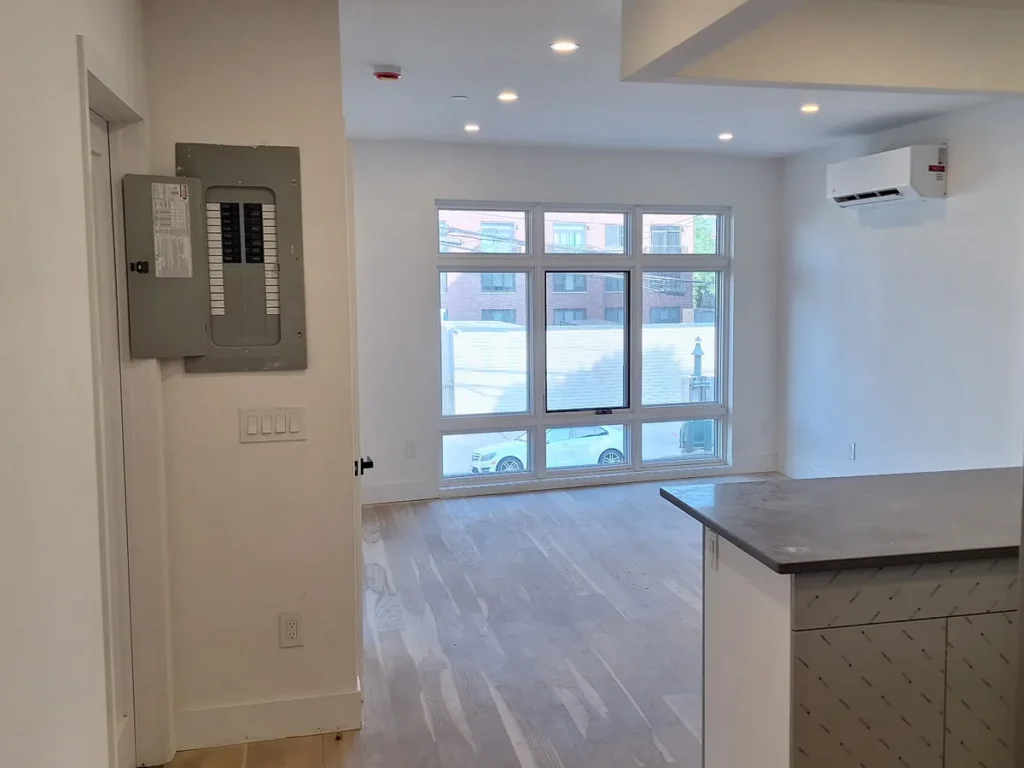
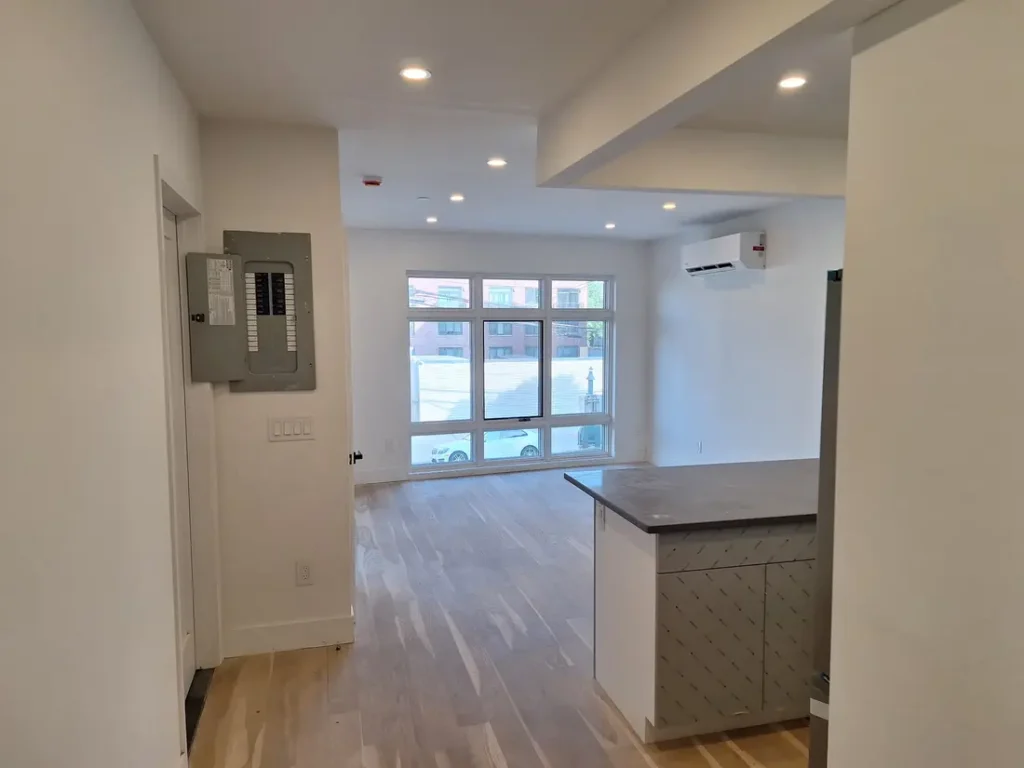
- The panel. Brand, age, amperage, free spaces, labeling, and signs of overheating or double-tapped breakers. Two brands carry well-known problems: see Federal Pacific panels and Zinsco panels. If the apartment still has fuses, read fuse box vs circuit breaker first.
- Service size. Many older apartments were wired for far less power than a modern household uses. It matters if you plan central air, an induction range or an EV charger. See 100-amp vs 200-amp service.
- Wiring type. In pre-war units, ask whether any original cloth-covered or knob-and-tube wiring remains in the walls or ceilings. Our guide to knob-and-tube wiring covers how it is identified and handled.
- GFCI and AFCI protection. Bathrooms, kitchens and other wet locations need GFCI protection, and newer work may call for arc-fault breakers. Compare what you find with what a GFCI outlet is and where NYC requires one and AFCI breakers in NYC.
- Outlets, switches and fixtures. Test a sample in every room for correct wiring, loose devices, warm cover plates and ungrounded two-prong outlets.
- Smoke and CO detectors. Confirm they exist, are in the right places and work. The rules are summarized in NYC smoke, CO and gas detector laws.
- Evidence of past renovation. A new kitchen or bathroom means new circuits somewhere. Ask where they were permitted and who did the work.
Red flags you can spot on a walkthrough
You do not need to be an electrician to notice warning signs. During a showing or a second visit, look for the following and write them down for your attorney and your inspector:
- A fuse box, or a panel with no labels, or labels that are handwritten and crossed out.
- Breakers that are warm to the touch, scorch marks, or a burning smell near the panel.
- Two-prong outlets, or three-prong outlets that a plug-in tester shows as ungrounded.
- Extension cords and power strips feeding permanent loads such as a window air conditioner.
- Lights that flicker or dim when the refrigerator or an air conditioner starts.
- Fresh paint or new drywall around a panel, which can hide recent unrecorded work.
- A recent renovation with no paperwork available from the seller.
None of these proves a defect, but each is a reason to bring in a licensed electrician before you commit. For a longer list, see 5 signs you need an electrical panel upgrade.
The paperwork to ask for before you sign
Wiring you can see is half the picture. The other half is the record of what was done to it. Ask your attorney and the managing agent for:
- The seller’s alteration agreement and sign-off for any renovation, which shows the board or association approved the work.
- DOB electrical permit records for the building and, where available, the unit, to confirm that panel, service or circuit work was filed by a licensed master electrician. Our guide to electrical permits in NYC explains what must be filed.
- Open violations. An unresolved violation can follow the property. See what an ECB electrical violation is and how it is fixed and our ECB violation removal service.
- Building-wide electrical work. Ask whether the building has recently upgraded its risers or main service, or plans work that could be passed on to shareholders or owners.
If the seller cannot show permits for visible work such as a new panel or a relocated kitchen, treat it as a negotiating point and a question for your attorney. The unpermitted work is the seller’s history, but once you own the unit, correcting it becomes your problem.
Using the inspection in your negotiation
Timing matters. Arrange the electrical inspection during your due-diligence window, before the final commitment, and ask your attorney how your contract treats inspection findings. A written report from a licensed electrician gives you three practical options: ask the seller to correct the issue, ask for a price or credit adjustment that reflects the repair estimate, or walk away if the problem is bigger than the apartment is worth. Without a quote in hand, each of those becomes an argument over guesses. The findings that most often move a price are an obsolete panel, missing GFCI protection, and renovation work with no permit trail. To size up a repair, see how long electrical work takes in NYC and what an electrician costs in NYC.
Plan your own upgrades before you close
If you intend to change anything after you move in, such as a larger panel, a dedicated circuit for central air or a new kitchen layout, find out now whether the building allows it and how much power your unit can draw. A dedicated circuit may be simple in one building and impossible in another. For older buildings, the questions in our guide to pre-war apartment electrical problems are worth asking before you buy, not after.
Get a licensed electrical inspection before you buy
AE Electric works in apartments and houses across Manhattan, Brooklyn, Queens, the Bronx and Staten Island. We test the panel and circuits, tell you what is safe and what is not, and give you a written scope you can use in negotiation. Learn more about our electrical safety inspection service or our residential electrical work, then call (646) 846-0008 before your contract deadline.
Frequently Asked Questions
Do I need an electrician to inspect an apartment before buying in NYC?
A general home inspector can note what is visible, but only a licensed master electrician can test circuits, assess the panel and tell you what a fix would involve and whether it needs a permit. For a co-op or condo, an electrical inspection during due diligence is the safest way to avoid paying for hidden problems after closing.
Who pays for electrical repairs in a co-op or condo?
Usually the unit owner pays for the unit panel and the wiring inside the apartment, while the co-op corporation or condo association handles the main service, meter room and risers. Your proprietary lease or condo declaration controls the details, so have your attorney confirm it.
What electrical problems should I look for at an apartment showing?
Look for fuse boxes, unlabeled or scorched panels, warm breakers, two-prong outlets, extension cords feeding permanent loads, flickering lights, and renovation work with no paperwork. Each is a reason to bring in a licensed electrician before you commit.
How can I check whether electrical work in a building was permitted?
Ask the managing agent and the seller for the alteration agreement and permit records, and review the electrical permits filed for the address. AE Electric offers a free Building Electrical Report that lists permits filed since 2018 and the approximate age of the building.
Can I use an inspection report to negotiate the price?
Yes. A written report with repair scope from a licensed electrician lets you ask the seller to fix the issue, request a credit or price adjustment, or walk away. Ask your attorney how your contract handles inspection findings and deadlines.
Can I upgrade the panel after I buy a co-op or condo?
Often yes, but a board or association usually has to approve it under an alteration agreement, and the work needs a DOB permit filed by a licensed master electrician. How much power your unit can draw also depends on the building service and risers, so ask before you close.