
If your home has an older electrical panel or you’re adding high-draw appliances like an EV charger, central AC, or a home office setup, a panel upgrade is likely in your future. But how much does an electrical panel upgrade cost in NYC? The short answer: most homeowners in New York City pay between $2,500 and $5,500 for a panel upgrade, depending on amperage, permit requirements, and whether Con Edison needs to get involved. Here’s a full breakdown of what to expect.
NYC Electrical Panel Upgrade Cost at a Glance
| Service | Typical NYC Cost |
|---|---|
| 100-amp panel upgrade | $1,800 – $3,000 |
| 200-amp panel upgrade | $2,500 – $5,500 |
| NYC DOB electrical permit | $300 – $600 |
| Con Edison service upgrade fee | $500 – $1,500+ |
| Meter base replacement (if needed) | $400 – $800 |
| Full service entrance upgrade | $4,000 – $8,000+ |
These ranges reflect real job costs in Brooklyn, Manhattan, and the outer boroughs. Prices vary based on the age of your building, the condition of existing wiring, and whether your current service entrance needs to be upgraded along with the panel.
100-Amp vs. 200-Amp Panel: Which One Do You Need?
This is the most common question homeowners ask. The answer depends on how much electrical load your home currently carries — and what you’re planning to add.
100-Amp Panel
A 100-amp panel is enough for smaller apartments and older homes that haven’t been significantly updated. It can handle basic lighting, outlets, a refrigerator, a few window AC units, and a washer/dryer. But it leaves very little headroom. If you’re adding a home office, upgrading to central AC, or installing an EV charger, a 100-amp panel will almost certainly fall short.
200-Amp Panel
A 200-amp panel is the standard for modern homes and is what most electricians recommend for any property that may add high-load circuits in the future. It’s required by most EV charger manufacturers and strongly recommended if you’re adding central air, a home generator hookup, or converting from gas to electric appliances. In NYC, most brownstone owners and single-family homeowners upgrading from 60-amp or 100-amp service go straight to 200 amps.
Quick rule of thumb: If you own a house, a brownstone, or a large apartment — go 200 amps. If you’re in a small apartment and just replacing an aging panel, 100 amps may be sufficient. Your electrician should do a load calculation to confirm.
What Drives the Cost of a Panel Upgrade in NYC?
1. Amperage
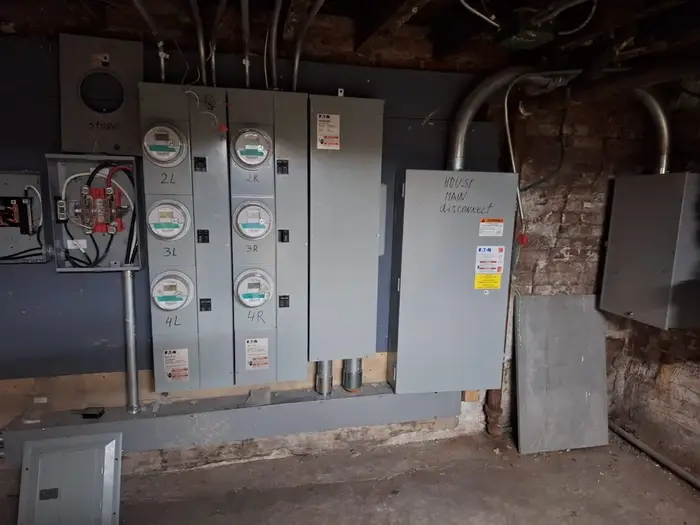
The biggest cost driver is the size of the panel. A 200-amp upgrade requires heavier wire, a larger panel enclosure, and more labor than a 100-amp job. In some cases, it also requires upgrading the meter base and service entrance conductors — the wires that run from the street into your home.
2. NYC DOB Permit
In New York City, an electrical panel upgrade always requires a Department of Buildings (DOB) permit and a licensed electrician. The permit itself typically costs $300–$600, and the work must pass a DOB inspection before it’s considered complete. Any contractor who offers to skip the permit is not someone you want working in your home — unpermitted electrical work creates insurance liability and can prevent you from selling your property.
3. Con Edison Coordination
If you’re upgrading from 100 amps to 200 amps, Con Edison typically needs to upgrade the utility service connection at the meter. This involves scheduling a Con Edison crew to disconnect and reconnect service — which can add $500–$1,500 to the total cost and extend the project timeline by a few days to a couple of weeks depending on Con Edison’s schedule.
4. Building Age and Wiring Condition
NYC has a lot of pre-war housing stock. Brownstones and apartment buildings from the 1920s–1950s often have knob-and-tube wiring, aluminum branch circuit wiring, or outdated 60-amp service. If your electrician finds any of these during the panel upgrade, you may be looking at additional rewiring work. That’s why it’s worth having a licensed electrician assess your full electrical system before committing to a price.
Signs You Need an Electrical Panel Upgrade
- Circuit breakers trip frequently, especially when running multiple appliances
- You have a 60-amp or 100-amp panel in a home larger than a studio or one-bedroom
- Lights flicker or dim when large appliances turn on
- You have a Federal Pacific Stab-Lok or Zinsco panel (both are known safety hazards)
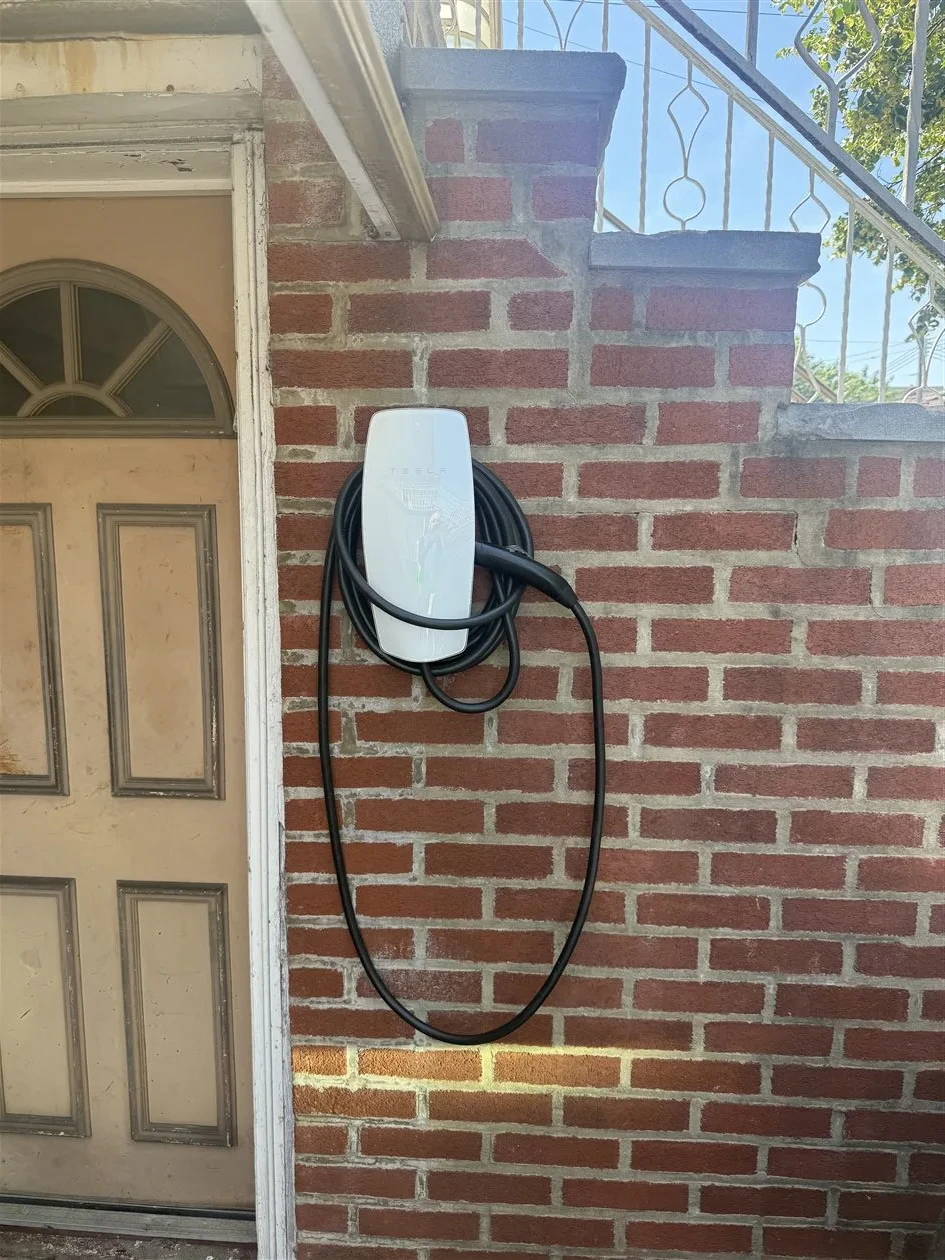
- You’re adding an EV charger, central air conditioning, or major kitchen appliances
- You smell burning near your electrical panel
- Your panel uses fuses instead of circuit breakers
Any of these signs warrants a call to a licensed electrician. Some are safety issues that shouldn’t wait.
How Long Does a Panel Upgrade Take in NYC?
The electrical work itself usually takes one day. A licensed electrician will remove the old panel, install the new one, transfer all circuits, and make sure everything is properly labeled and grounded. However, the full project timeline in NYC often runs 1–2 weeks once you factor in permit filing and Con Edison scheduling. Plan accordingly if you’re on a renovation timeline.
Panel Upgrades in Co-ops and Condos
Everything above assumes a house, where the meter and service entrance are yours. In an apartment, two things change.
First, the building’s riser sets your ceiling. The feeder running to your unit was sized when the building was wired, and you cannot draw more than it can deliver. A 200-amp panel is meaningless if the riser serving your line supports 100. This is the most common reason an apartment panel upgrade stops before it starts, and it is a building matter — often a capital project — rather than something that can be solved inside your unit.
Second, the board is a gatekeeper. Expect an alteration agreement, a certificate of insurance naming the corporation or condominium and the managing agent as additional insured, restricted work hours, and possibly review at a scheduled board meeting. Budget calendar time for approval, not just for the work itself — see our guide to co-op and condo electrical board approval.
One more apartment-specific detail: most NYC apartments are served at 120/208 volts rather than the 120/240 volts standard in one- and two-family houses. If you are upgrading a panel to support a new range, dryer, or EV charger, confirm the appliance is rated for 208V before you buy it — our Manhattan electrician page explains what 208-volt service means in practice.
Where the riser does support it, an in-unit panel replacement is usually a one-day job. We check the capacity actually available at your line before quoting, so you are not paying for a load calculation that ends in “the building cannot support this.”
What Should Be in a Panel Upgrade Quote
Panel upgrade quotes vary widely, and an unusually cheap one is usually cheap because something has been left out. A complete quote should name:
- The panel itself — manufacturer, amperage, and the number of breaker spaces, not just “new panel”
- Whether the service entrance and meter base are included or quoted separately — this is the single biggest swing in the final number
- The DOB permit, filed by the licensed electrician, with the fee stated
- Con Edison coordination, if the service size is changing
- The DOB inspection, and who meets the inspector
- Grounding, bonding, and circuit labeling brought to current code
- Patching and restoration — who closes the wall afterward
If a quote sits well below the ranges in the table above, ask which of these it excludes. In our experience it is almost always the permit, the service entrance, or the restoration. For how NYC electricians price work generally, see our electrician cost guide, and check any contractor against the licensing requirements before signing.
Is a Panel Upgrade Worth It?
For most NYC homeowners, yes — and the payoff goes beyond safety. A 200-amp panel upgrade adds resale value, opens the door to future upgrades (EV chargers, heat pumps, induction ranges), and eliminates constant breaker-tripping frustration. It’s also often a prerequisite for getting homeowner’s insurance coverage if your current panel is flagged as a hazard.
If you’re in Brooklyn or Manhattan and your home still has an older 60-amp or 100-amp panel, upgrading now is almost always cheaper than waiting until something fails — or until you’re trying to close on a sale with a flagged inspection report.
Get a Panel Upgrade Estimate in NYC
AE Electric is a licensed electrical contractor serving Brooklyn, Manhattan, and the surrounding boroughs. We handle the full panel upgrade process — from permit filing to Con Edison coordination to DOB inspection — so you don’t have to manage multiple contractors or figure out the permitting process yourself.
Learn more about our electrical panel upgrade service or contact us for a free estimate. We’ll assess your current panel, calculate your actual load, and give you a straight answer on whether you need 100 or 200 amps — and exactly what it will cost.
Related reading: Replacing a fuse box? See fuse box vs circuit breaker. Wondering whether you need one? Read signs you need a panel upgrade. For row houses, see brownstone electrical upgrades in Brooklyn. To plan the schedule, see how long electrical work takes in NYC.
Frequently Asked Questions
How much does an electrical panel upgrade cost in NYC?
Most New York City homeowners pay between $2,500 and $5,500 for a 200-amp panel upgrade, or $1,800 to $3,000 for 100 amps. Add roughly $300–$600 for the DOB permit and $500–$1,500 if Con Edison has to upgrade the service connection. A full service entrance upgrade can reach $4,000–$8,000 or more.
Do I need a permit to upgrade my electrical panel in NYC?
Yes. All electrical panel upgrades in New York City require a DOB permit filed by a licensed Master or Special Electrician, and the work must pass a DOB inspection before it is signed off. Never hire a contractor who suggests skipping the permit — unpermitted work creates insurance liability and surfaces later during a sale or refinance.
How long does it take to get an electrical permit in NYC?
Electrical permits are filed online through DOB NOW: Electrical and are often approved within 1–3 business days for a straightforward panel upgrade. Your licensed electrician handles the filing as part of the job.
Does Con Edison have to come out for a panel upgrade?
Usually yes, if you are increasing amperage — Con Edison has to disconnect and reconnect their side of the meter. For a like-for-like replacement at the same amperage, Con Edison involvement may not be required. Their scheduling, rather than the electrical work, is often what sets the overall timeline.
What is the difference between a panel upgrade and a service upgrade?
A panel upgrade replaces the breaker box inside your home. A service upgrade replaces the conductors running from the utility connection into the building, along with the meter base. If you are increasing amperage significantly you often need both, which is why a full service entrance upgrade can reach $5,000–$8,000.
Do I need 100 amps or 200 amps?
A 100-amp panel suits smaller apartments and older homes that have not been significantly updated, but it leaves little headroom. Choose 200 amps if you own a house or brownstone, or plan to add an EV charger, central air, a heat pump, or induction cooking. Your electrician should run an actual load calculation rather than guessing.
Can I upgrade the panel in my co-op or condo apartment?
Only as far as the building allows. The riser feeding your unit was sized when the building was wired, and you cannot draw more than it delivers — a 200-amp panel is meaningless if your line supports 100. You will also need board approval, an alteration agreement and a certificate of insurance. We check the capacity actually available at your line before quoting.
Will my 240-volt appliance work on NYC apartment service?
Most NYC apartments are served at 120/208 volts rather than the 120/240 volts standard in houses. A 240V-rated range, oven or dryer will generally run on 208V but at reduced output, and a Level 2 EV charger delivers about 13% less power. Check for a separate 208V rating before buying.
How long does the work itself take?
The electrical work is usually one day — removing the old panel, installing the new one, transferring and labeling circuits, and grounding and bonding to current code. The full project typically runs 1–2 weeks once permit filing and Con Edison scheduling are included.