
If the NYC Department of Buildings (DOB) has flagged the electrical work in your home or building, you may have received something more serious than a warning notice: an ECB violation. It’s a summons that carries a monetary penalty and a hearing date — and ignoring it only makes the fines grow. The good news: most electrical ECB violations are straightforward to clear once a licensed electrician is involved. Here’s what an ECB electrical violation actually is, what triggers one in NYC, and the exact steps to resolve it.
What is an ECB violation, exactly?
The Department of Buildings issues a violation whenever it finds a condition that breaks the NYC Construction Codes or the NYC Electrical Code. When that violation carries a monetary penalty and requires a hearing, it is written as an ECB violation — named for the former Environmental Control Board. These summonses are now adjudicated by the OATH Hearings Division (the Office of Administrative Trials and Hearings), but the DOB, contractors, and most New Yorkers still call them ECB violations.
In plain English: a DOB violation is the notice that something is wrong. An ECB violation is the summons that says you owe a penalty and have to answer for it. Serious electrical problems usually come with both — the underlying DOB violation and the ECB summons attached to it. To close the matter for good, you have to correct the electrical condition and resolve the summons. That combined process is what our ECB violation removal service handles from start to finish.
What triggers an electrical ECB violation in NYC?
Almost every electrical ECB violation traces back to work done outside the NYC permitting and inspection process. The most common triggers are:
- Electrical work done without a permit — the single most common cause. Most hardwired work in NYC requires a DOB electrical permit.
- Open or expired permits that were never signed off with a final inspection.
- A failed DOB electrical inspection that wasn’t corrected and re-inspected.
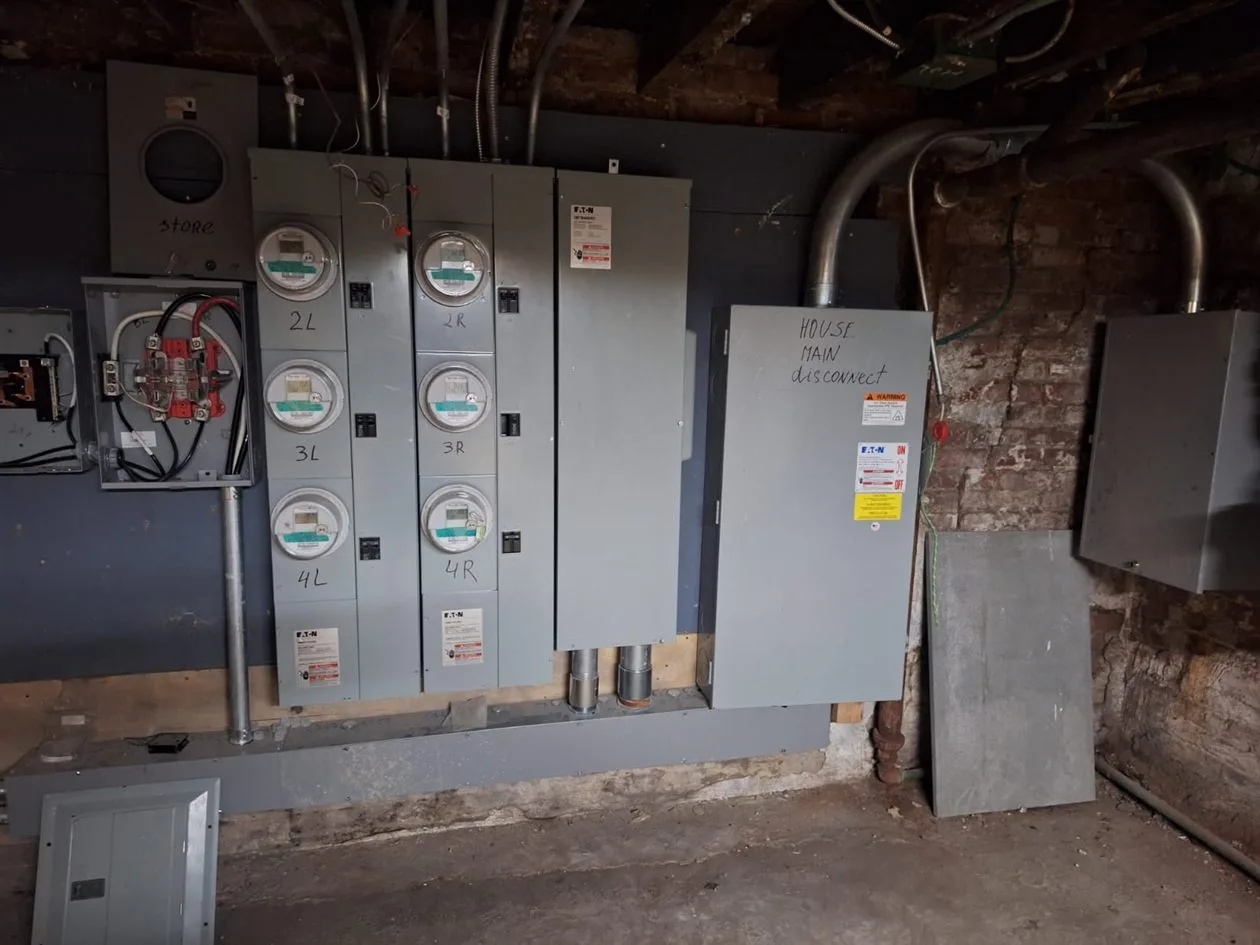
- Unsafe or illegal wiring — overloaded panels, improper splices, missing GFCI or AFCI protection, ungrounded circuits, or exposed conductors.
- Work performed by an unlicensed electrician, which the DOB treats as illegal regardless of workmanship.
- Immediately hazardous conditions discovered when an inspector responds to a 311 complaint.
Many homeowners first learn about a violation after a neighbor files a 311 complaint, during a property sale, or when a new contractor pulls permits and discovers old unpermitted work. A routine electrical safety inspection will also surface open permits and violations before they turn into a bigger problem.
How much does an ECB electrical violation cost?
Penalties vary based on the severity and class of the violation. A minor, correctable electrical violation might carry a few hundred dollars in penalties, while hazardous conditions can run into the thousands. Two things make it worse: ignoring the hearing, which can trigger a much larger default judgment, and letting the condition sit, since some violations accrue additional penalties over time.
Keep in mind the city’s penalty is separate from the cost of the electrical repair itself. If clearing the violation requires a panel upgrade or new wiring, that work is quoted on its own. The most expensive path is always the one where you do nothing — so the sooner a licensed electrician assesses the summons, the less it usually costs to resolve.
How to fix an ECB electrical violation, step by step
- Pull the violation details. Look up the violation and summons numbers in the DOB’s records (DOB NOW / BIS) and on the OATH hearing portal so you know the deadline and what’s cited.
- Hire a NYC-licensed electrician to inspect the condition and confirm exactly what must be corrected to meet current code.
- Pull the required electrical permit and perform the corrective work. In NYC, only a licensed electrician can file for and pull these permits.
- Pass the DOB inspection and obtain sign-off on the corrected work.
- File a Certificate of Correction (CoC) with the DOB, formally certifying the violating condition has been fixed.
- Resolve the summons at OATH — pay the penalty or attend the hearing. A properly filed Certificate of Correction can reduce the penalty and is what officially closes the violation.
The Certificate of Correction is the step most people miss. Fixing the wiring isn’t enough on its own — the DOB needs documentation that the correction was made and inspected before the violation clears from the property’s record.
How long does it take to clear a violation?
A straightforward correction with a Certificate of Correction can often be resolved in a few days to a couple of weeks. Cases that require new permits, a DOB inspection, or an OATH hearing take longer. If your violation is tied to a property sale, refinance, or an active stop-work order, it should be prioritized — those situations have hard deadlines the standard timeline won’t wait for.
Can an ECB violation block a home sale or refinance?
Yes. Open electrical violations routinely appear during a title search and can hold up a closing until they’re cleared. Lenders and buyers’ attorneys frequently require proof that violations have been resolved before funds are released. If you’re planning to sell or refinance a NYC property, it’s far cheaper and faster to clear electrical violations up front than to scramble mid-deal. For commercial buildings, an open violation can also trigger a stop-work order that halts operations — our commercial electricians handle those cases with the same urgency.
Why you need a licensed electrician — not a handyman
Only a NYC-licensed electrician can pull the permits and file the paperwork the DOB requires to clear an electrical violation. Work done by an unlicensed contractor can’t be legally signed off — and often creates additional violations. If you’re unsure whether your project even needs a permit, our guide on when you need an electrical permit in NYC breaks it down.
AE Electric is an NYC DOB-licensed electrical contractor. We assess the violation, correct the condition to code, pull and close out the permits, coordinate the DOB inspection, and file the Certificate of Correction — so the summons is fully resolved, not just patched over.
Have an open electrical violation in NYC? Call AE Electric at (646) 846-0008 or learn more about our ECB violation removal service for a fast, licensed path to clearing it.
Frequently Asked Questions
What happens if I ignore an ECB electrical violation in NYC?
Ignoring the summons is the most expensive option. Missing the OATH hearing can trigger a much larger default judgment, penalties can keep accruing, and the open violation stays on the property record — where it can block a sale or refinance and, in some cases, lead to a lien against the property.
Can I fix an electrical violation myself to save money?
No. In NYC the corrective work has to be done by a licensed electrician who can pull the DOB permit and file the paperwork. Work by an unlicensed person can't be legally signed off and often creates additional violations. Our ECB violation removal service handles the correction, permit, and filing end to end.
How do I find my ECB violation or summons number?
Look up the property by address on the DOB's records (DOB NOW / BIS) to see open violations, and check the OATH hearing portal for the summons and hearing date. The summons itself lists the citation, the penalty, and your deadline to respond.
What is a Certificate of Correction, and why does it matter?
A Certificate of Correction is the document filed with the DOB certifying that the violating condition has been fixed and inspected. It's the step that officially clears the violation from the property record — and filing it properly can also reduce the penalty. Correcting the wiring without filing it does not close the violation.
Does an ECB electrical violation ever go away on its own?
No. It remains on the property's record until the condition is corrected and a Certificate of Correction is filed, and the summons is resolved at OATH. Left alone, penalties can grow rather than disappear.